Resources
We listed useful resources to learn more on human factors in aviation and aerospace
Jump to section:

Books
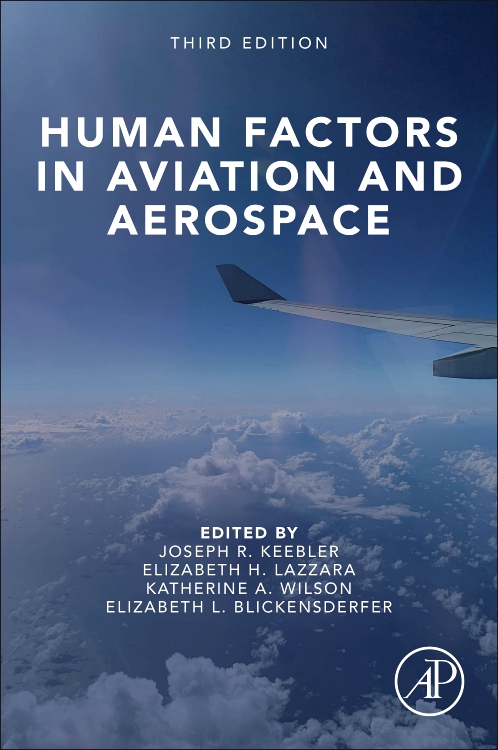
Human Factors in Aviation and Aerospace, 3rd edition, 2022, Elsevier. Handbook writen by a series of leading researchers in aviation human factors presenting the latest state of knowledge on remote flight, autonomy and the future of airspace management

Human Performance on the Flight Deck, Don Harris, 2011 Taylor & Francis. An introductory book on the reality of the pilot’s work, avionics systems, and crew resource management. It is presented in a clear and easy-to-understand manner, making it the perfect book to get started in the discipline.
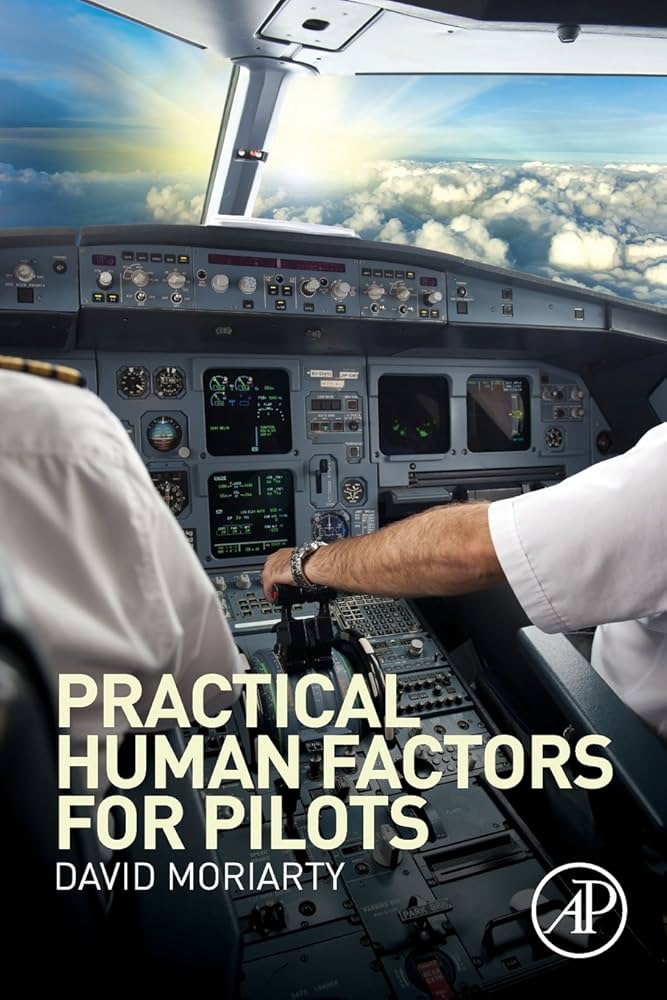
Pratical Human Factors for Pilots, 2015, Elsevier. This book, written by Capt. Moriarty to his fellow pilots, presents in plain language the science of human factors and how it relates with their flying duties. An useful introduction to our discipline for people not already familiar with the topic.
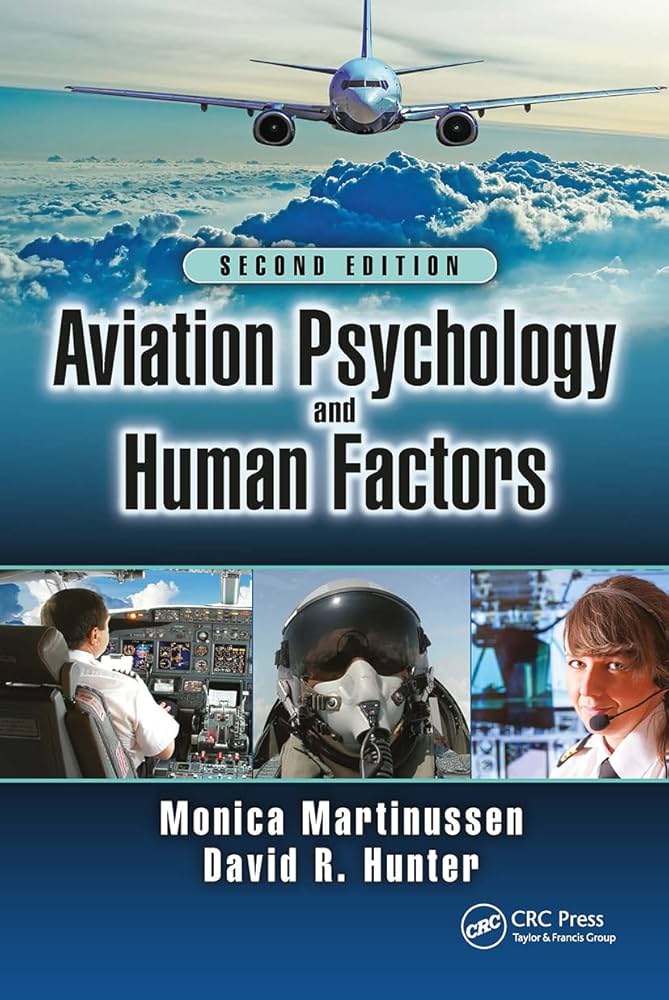
Aviation Psychology and Human Factors, 2nd edition 2017, Routledge. The book explores the application of psychology in aviation, covering system design, pilot selection and training, safety, and passenger behavior. The second edition includes topics like aviation physiology, fatigue, safety culture, and mental health, with practical examples and exercises after each chapter.
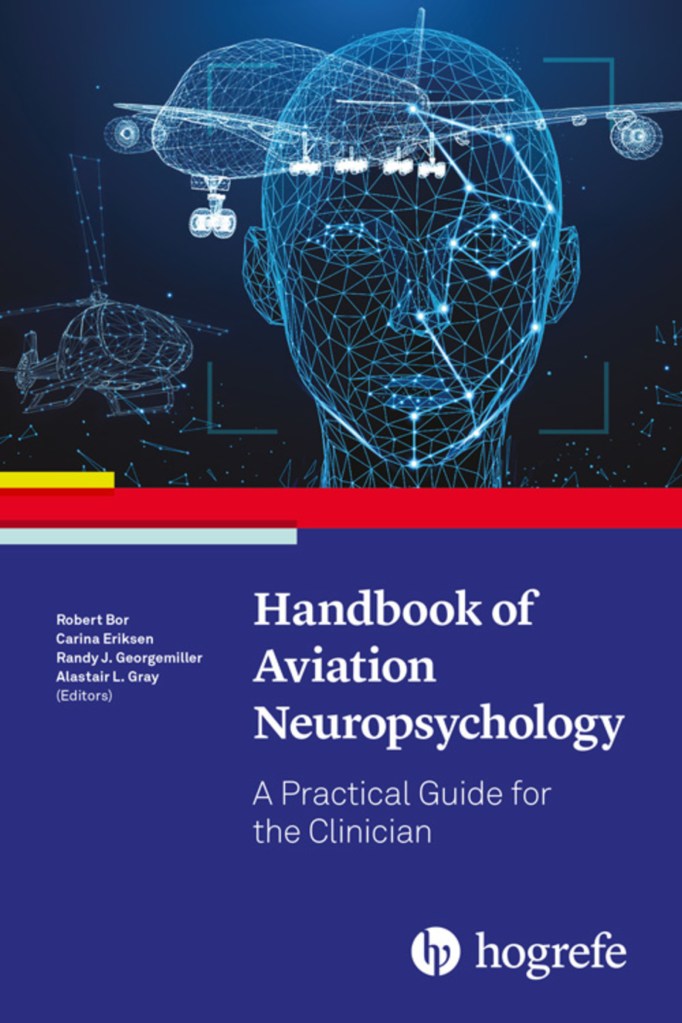
Handbook of Aviation Neuropsychology, 2025, Hogrefe. The handbook compiles 32 chapters written by world-leading scientists on the latest progresses on neuropsychology applied to aviation. It covers the background of neuroscience, mental health issues, cognitive training, neuropsychological test and assessments, accident investigation from a neuropsychology perspective (ex. memory, attention, fire and fumes) and attention deficit / ADHD.
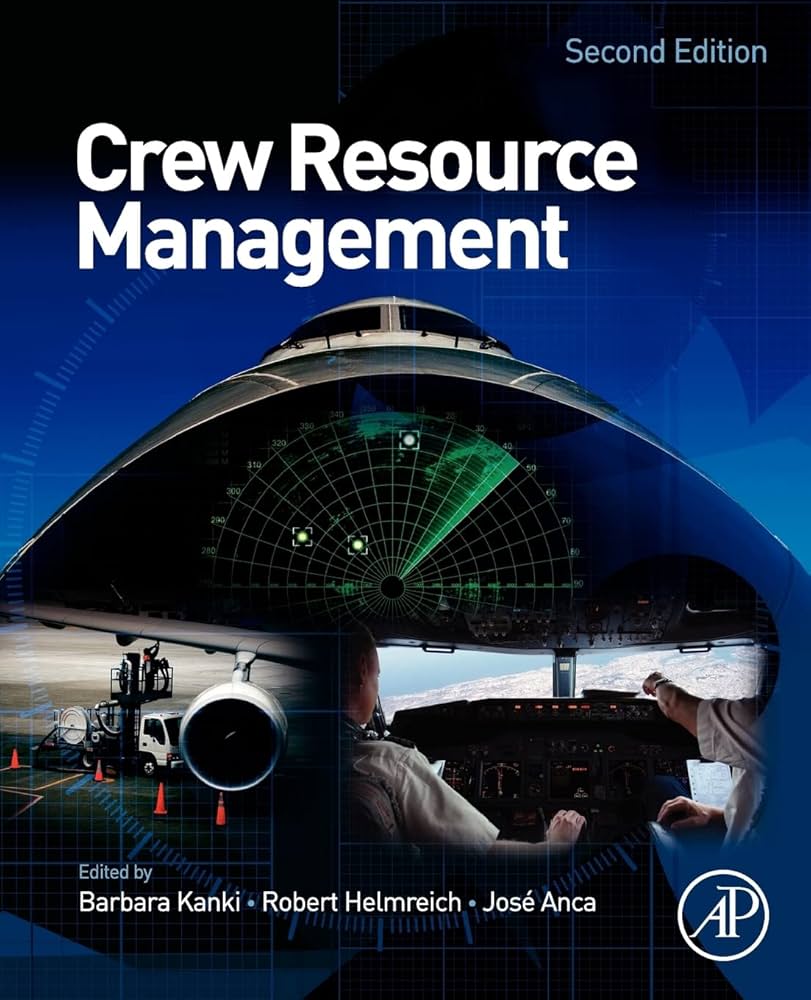
Crew Resource Management, 2nd edition, 2010, Elsevier. It offers guidance and lessons learned from various crew on how to be effective teammate in the flight deck. The second edition relies heavily on use cases and narratives to illustrate the applications of the CRM discipline.
Human Factors in Simple and Complex Systems 3rd Edition, 2017, CRC Press. An introductory textbook that presents the basic principles of human factors and human performance in technical systems for undergraduate and graduate students.
Human Factors in Simulation and Training, 2023, Taylor & Francis. A valuable resource on human factors principles applied to simulation and training, including in the aerospace industry.

Reports
Volpe – Human Factors Considerations in the Design and Evaluation of Flight Deck Displays and Controls, 2016 is an increadibly useful document to to identify and prioritize guidance on human factors issues to consider in the design and evaluation of flight deck displays and controls. It contains 10 chapters focusing on key human factors considerations (ex. electronic display, alerting, controls, etc.). For each, it presents human factors regulatory and guidance material, along with recommendations and best practices. It’s the best source to know which requirements to consider in the design and certifications of the flight deck equipement.
RTCA DO-372 – Addressing Human Factors/Pilot Interface Issues for Avionics, 2017. It proves a valuable sources of information to explain how to integrate human factors into the overall aircraft development process, and how to deal with human factors certification. It also provides examples of prevalent, recurring human factors or pilot interface issues that have been identified during previous certification programs. Appendix A contains human factors related regulatory references and guidance applicable.

Podcast
1202 – The Human Factors Podcast is a weekly podcast in which Barry Kirby explores aspects of Human Factors, from practitioners in the field. It’s mostly an in-depth interview with a key human factors specialist to share their perspective. For HF people to keep in touch and non-HF people to hear what we do.

Human Factors Cast is a weekly podcast hosted by Nick Roome and Barry Kirby that goes over the latests news related to human factors and UX. It covers several topics on AI, human work, psychology and aerospace.

Airplane Geeks gives a weekly wrap-up of the news in aviation from the point of view of seasoned pilots and air trafic controllers. They usually receive an new invite each week at the start of the show.

Websites
NASA is at the forefront of research and development in our field. Their websites are full of information and contain their latest research reports along with useful background references.
- Human factors references on Urban Air Mobility and Advanced Air Mobility. The team collected a list of annoted references on HF guidelines and standards, general information on UAM and AAM, single pilot operations and advanced automation.
- NASA HSI technical areas redirects towards the other websites showcasing their latest work in human-machine interaction, human performance, integration and training.
SKYbrary is a wiki related to flight operations, air traffic management (ATM) and aviation safety. It offers clear explanations of aviation vocabulary and key references for everyone to learn. Initially put together by EUROCONTROL, it now welcomes contributions by external users with a robust content management and oversight to ensure content quality.
FAA Human Factors – Aircraft Certification Service is a list of common aircraft certification regulations that require human factors considerations to show compliance. Its presented for aircraft certification under parts 23, 25, 27 and 29.
Avionics International summarizes recents news on avionics upgrades, connectivity and advanced air mobility. Their newsletter is the most useful resource to keep up to date with a summary of what happened every two weeks.
Hype Aerospace Insights is a news aggregator that collects the latest articles from a variety of news outlets in civil aviation, defence and space. They also offer a daily newsletter (free) and an exhaustive list of aviation-related events and conferences (premium).
Aviation International News (AIN) is an independent news source on business and civil aviation. It also has two sister of news outlets: FutureFlight on key developments from the rapidly-changing urban air mobility sector; and Business Jet Traveler intended for private jet travelers, as implied by its name.

Conferences
ASPIRE is the annual meeting of HFES. It is a conference that brings together human factors experts from around the world to present and advance the latest research and developments on the interactions between humans, systems, and their environment. ASTG is part of HFES, so we can objectively argue this is the best conference to attend 😁 !
The International Symposium on Aviation Psychology (ISAP) brings together researchers and industry practitioners to discuss the latest research on human performance problems and opportunities within aviation systems, as well as envision design solutions that best utilize human capabilities in those systems.
The Conference of the European Association for Aviation Psychology is held once every two years (on even years) and publishes its proceedings with Elsevier. Its location changes country within Europe. It offers a good opportunity to network with european researchers in our discipline.
The Digital Avionics Systems Conference (DASC) is an annual meeting of industry leaders, professionals, and experts in avionics systems. DASC has a dedicated human factors track that includes presentations on human considerations in avionics systems.
Applied Human Factors and Ergonomics (AHFE) is a large conference covering multiple topics in the field from affective design to occupational ergonomics. It has an advisory committee on aviation and space that is part of the larger track on Human factors in Transportation.
Want to add to the list?
We would love to learn the resources that are useful to your work as an Aviation HFE. Drop us a line to share your favortie picks and we will add it to this list.





 HFES Aerospace Systems