
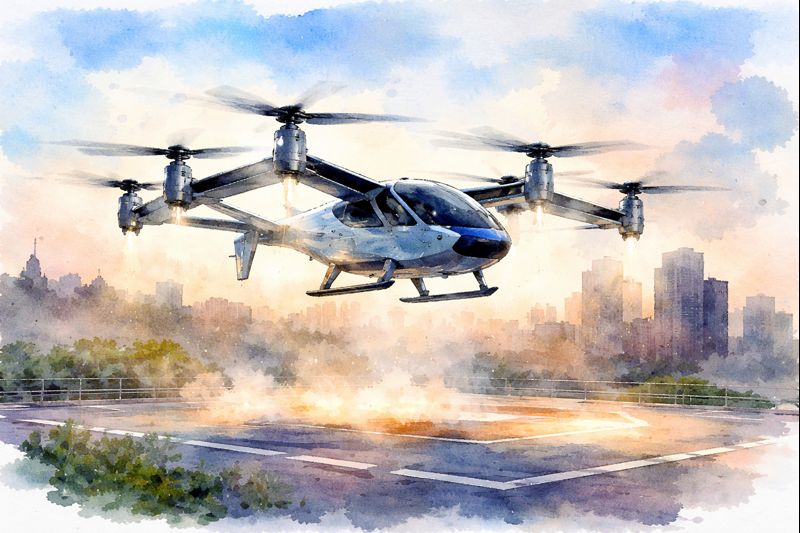
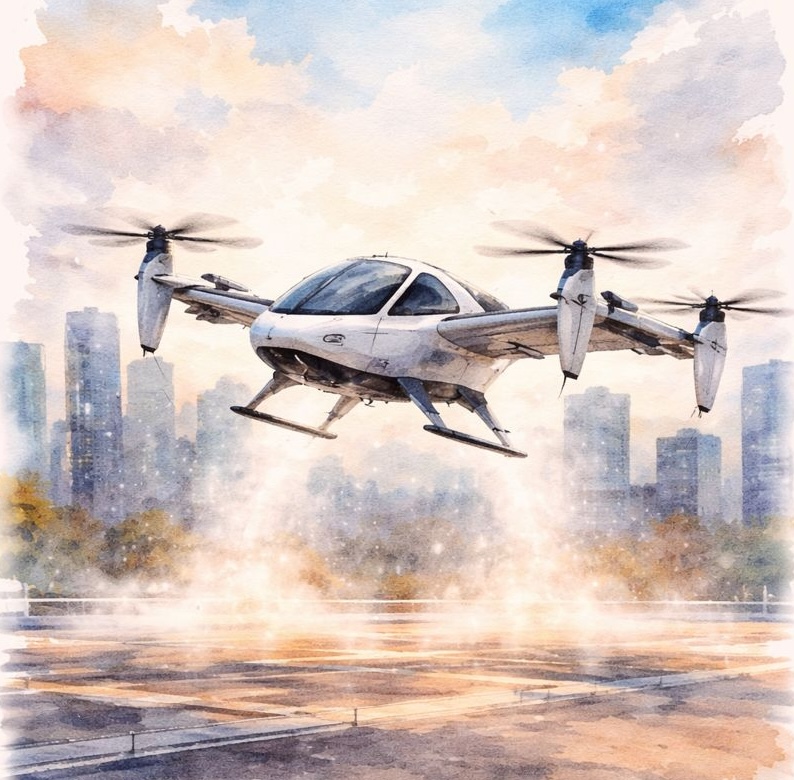
Urban Air Mobility (UAM) is set to change our industry in the coming years. To get our community ready for this transition, the first day of HFES ASPIRE on Tuesday, September 10, will be dedicated to UAM. The morning starts with three lectures on the topic (9:45-10:45) followed by a discussion panel in the afternoon on the promise of UAM (1:30-2:30).
Katie Sabo from ASTG interviewed the moderator Dr. Kim-Phuong Vu from California State University Long Beach, to share an exclusive preview of what to expect in this rapidly-evolving field.
The Promise of Urban Air Mobility
Moderator
Kim-Phuong Vu – California State University, Long Beach
Panelists
Quang Dao – NASA Ames Research Center
James Cunningham – Edwards Airforce Base
Mike Matessa – Collins Aerospace
Vernol Battiste – San Jose State University Research Foundation
Thomas Strybel – California State University, Long Beach
Scheduled on Tuesday, September 10th, 1:30-2:30PM
ASTG. The UAM panel will bring together five panelists from industry, academia, and government agencies to discuss the state of UAM today and what it will take to make UAM a reality. Panelists will share their thoughts and answer questions about this process, covering topics including the development of technology, UAM operations, the training of human operators and their evaluation. What topics do you plan to cover for your discussion panel?
Dr. Vu. The panelists will discuss current developments in Urban Air Mobility (UAM) concepts that will be necessary for making UAM a reality at different maturity levels. Specifically, they will discuss how the development of the major components of the UAM system should evolve over time.
Why do you think this panel will be of interest to attendees?
UAM is an emerging area in aviation. The benefits of a UAM system include reduced traffic congestion and profit gains for vehicle manufacturers and system developers. The panelists will cover a variety of topics relating to the development of technology (e.g., increasingly autonomous systems), UAM operations (e.g., infrastructure and concepts of operations), the training of human operators (e.g., UAM pilots) and their evaluation.
Who would be most interested in this discussion panel and what benefits do you think it will give them?
This topic should be of interest to researchers and practitioners in aviation. Attendees will have an opportunity to learn about current issues relating to UAM and ask questions of the panelists.
How much audience interaction would you like? What sorts of questions should attendees be thinking about?
I have asked the panelists to provide a brief overview of the topics areas that they have been working on relating to UAM; the rest of the time will be devoted to Q & As from the audience.
What do you hope attendees get from the panel?
Attendees will learn about the current research to support how to best structure the UAM system, emerging technologies that are being developed to support UAM, potential concepts of operations for the UAM system, and current techniques for evaluating UAM.
What do you hope to get from participating in the panel?
I hope that this session will engage participants and generate discussion about the topics covered by the panelists. We can also learn from the participants!
Don’t miss out on this opportunity to learn from experts in the field on the future of UAM and human factors and register to HFES ASPIRE.





 HFES Aerospace Systems
Leave a reply to Shraddha Swaroop Cancel reply